Prestasi
Perlu perhatianKadar bingkai: purata 60 fps, p5 59.5 · Tugas panjang: 0 tugas, jumlah 0 ms, terpanjang 0 ms · Sumber gzip 16 KB · Masa jalan 164 KB
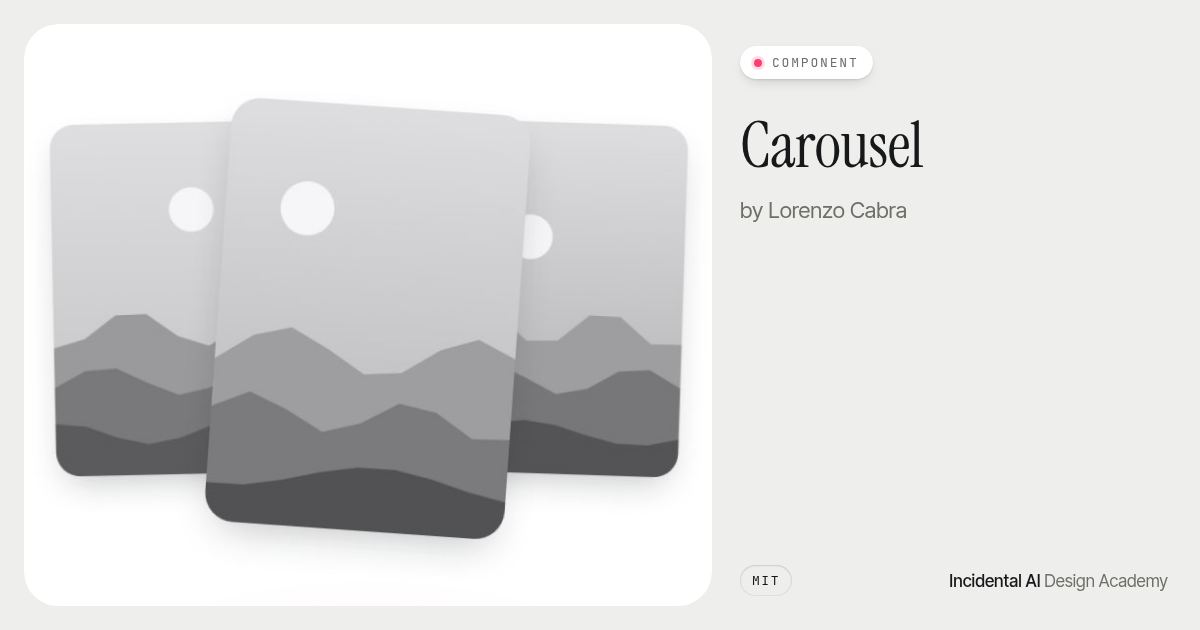
CarouselMITKadBencho
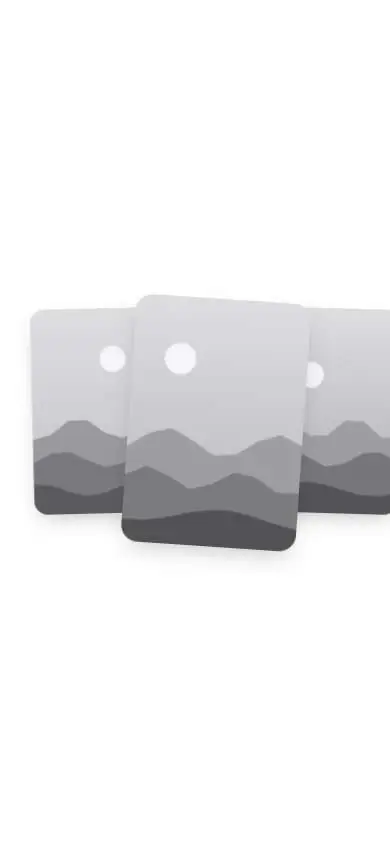
Komponen React Kad oleh Lorenzo Cabra. Dikumpul tanpa ubahan daripada Bencho di bawah lesen MIT dan dipaparkan secara langsung di sini.
Laporan kualiti
Gred dan skor datang daripada pemeriksaan automatik semasa binaan atau ujian. Jika suatu pemeriksaan tidak dijalankan, ia ditanda Belum diuji — nombor tidak pernah direka.
Kadar bingkai: purata 60 fps, p5 59.5 · Tugas panjang: 0 tugas, jumlah 0 ms, terpanjang 0 ms · Sumber gzip 16 KB · Masa jalan 164 KB
Isu 0 · Pembaca skrin: Lulus
Menghormati gerakan dikurangkan
Tidak melimpah · 1
Angka kadar bingkai dan tugas panjang diukur dalam Chromium tanpa paparan dengan WebGL perisian. Ia hanya boleh dibandingkan antara komponen di laman ini, dan tidak mewakili peranti sebenar.
Tiada pelanggaran axe-core.
Disemak 15 Nov 2026 · Angka datang daripada skrip automatik, bukan sampel tulisan tangan.
Dipaparkan pada saiz sebenar.
Salinan bermula dengan notis lesen. Kekalkannya apabila anda menggunakan kod.
<div id="root"></div>:root{--bg:#f6f4f0;--ink:#17181a;--background:40 20% 96%;--foreground:24 10% 8%;--card:0 0% 100%}html,body{min-height:100%;margin:0;background:var(--bg);color:var(--ink)}html,body{height:100%;overflow:hidden}body{display:grid;place-items:center}#root{display:grid;place-items:center;max-width:100%;max-height:100%;box-sizing:border-box;padding:16px;color:hsl(var(--foreground))}#root.full{width:100%;height:100%;padding:0}@media(prefers-reduced-motion:reduce){*,*::before,*::after{animation-play-state:paused!important;transition-duration:0s!important}}
/*
MIT License
Copyright (c) 2026 Lorenzo Cabra
Permission is hereby granted, free of charge, to any person obtaining a copy
of this software and associated documentation files (the "Software"), to deal
in the Software without restriction, including without limitation the rights
to use, copy, modify, merge, publish, distribute, sublicense, and/or sell
copies of the Software, and to permit persons to whom the Software is
furnished to do so, subject to the following conditions:
The above copyright notice and this permission notice shall be included in all
copies or substantial portions of the Software.
THE SOFTWARE IS PROVIDED "AS IS", WITHOUT WARRANTY OF ANY KIND, EXPRESS OR
IMPLIED, INCLUDING BUT NOT LIMITED TO THE WARRANTIES OF MERCHANTABILITY,
FITNESS FOR A PARTICULAR PURPOSE AND NONINFRINGEMENT. IN NO EVENT SHALL THE
AUTHORS OR COPYRIGHT HOLDERS BE LIABLE FOR ANY CLAIM, DAMAGES OR OTHER
LIABILITY, WHETHER IN AN ACTION OF CONTRACT, TORT OR OTHERWISE, ARISING FROM,
OUT OF OR IN CONNECTION WITH THE SOFTWARE OR THE USE OR OTHER DEALINGS IN THE
SOFTWARE.
---
Not covered by this licence: the Bencho name and the goat mark, and the
photographs shown on bencho.dev (none are included here). Third-party
material keeps its own licence; see THIRD_PARTY.md.
Icon substitution (this copy only): lucide-react (ISC) was replaced with @tabler/icons-react (MIT).
Sample photographs were replaced with Incidental AI assets. The Bencho name and goat mark are not licensed for marketing use.
*/
/* ── Bencho tokens ─────────────────────────────────────────
The custom properties the free blocks read, at the values
bencho.dev draws them with. Light by default; dark under
[data-theme="dark"] on any ancestor, or automatically with
the system setting unless [data-theme="light"] says otherwise.
Map these to your own theme rather than keeping two: a block
only ever reads the names, never the values. */
:root {
--font-ui: "Inter", "Helvetica Neue", Helvetica, Arial, sans-serif;
--bg: #ffffff;
--board: #ffffff;
--card: #f7f7f6;
--surface: #f7f7f6;
--surface-2: #f1f1f0;
--surface-3: #ecebe7;
--ink: #17181a;
--ink-rgb: 23, 24, 26;
--ink-2: #3c3b37;
--ink-3: #5c5b56;
--ink-4: #6f6e68;
--ink-5: #85847e;
--on-ink: #ffffff;
--on-ink-rgb: 255, 255, 255;
--slab: #17181a;
--on-slab: #ffffff;
--slab-dark: #0e0f11;
--fill-slab: #ffffff;
--fill-on: #17181a;
--fill-on-rgb: 23, 24, 26;
--pane: var(--fill-slab);
--pane-edge: rgba(23, 24, 26, 0.08);
--pane-thumb: rgba(23, 24, 26, 0.07);
--inlay: rgba(255, 255, 255, 0.55);
--inlay-hi: rgba(23, 24, 26, 0.09);
--elev-rgb: 255, 255, 255;
--glass-rgb: 255, 255, 255;
--shadow-rgb: 23, 24, 26;
--wash: 0.06;
--pick: #0d99ff;
--signal: #2231dd;
--focus: #2231dd;
--ok: #15803d;
--ember: #b8431c;
color-scheme: light;
}
[data-theme="dark"] {
--bg: #000000;
--board: #1a1a1a;
--card: #0a0a0a;
--surface: #0f0f0f;
--surface-2: #181818;
--surface-3: #202020;
--ink: #ffffff;
--ink-rgb: 255, 255, 255;
--ink-2: #b4b4b4;
--ink-3: #9a9a9a;
--ink-4: #828282;
--ink-5: #6b6b6b;
--on-ink: #000000;
--on-ink-rgb: 0, 0, 0;
--slab: #1a1a1a;
--on-slab: #ffffff;
--slab-dark: #262626;
--fill-slab: #262626;
--fill-on: #ffffff;
--fill-on-rgb: 255, 255, 255;
--pane-edge: rgba(255, 255, 255, 0.08);
--pane-thumb: rgba(255, 255, 255, 0.07);
--inlay: rgba(255, 255, 255, 0.1);
--inlay-hi: rgba(255, 255, 255, 0.09);
--elev-rgb: 32, 32, 32;
--shadow-rgb: 0, 0, 0;
--wash: 0.09;
--pick: #3aa9ff;
--ok: #34d17a;
color-scheme: dark;
}
@media (prefers-color-scheme: dark) {
:root:not([data-theme="light"]) {
--bg: #000000;
--board: #1a1a1a;
--card: #0a0a0a;
--surface: #0f0f0f;
--surface-2: #181818;
--surface-3: #202020;
--ink: #ffffff;
--ink-rgb: 255, 255, 255;
--ink-2: #b4b4b4;
--ink-3: #9a9a9a;
--ink-4: #828282;
--ink-5: #6b6b6b;
--on-ink: #000000;
--on-ink-rgb: 0, 0, 0;
--slab: #1a1a1a;
--on-slab: #ffffff;
--slab-dark: #262626;
--fill-slab: #262626;
--fill-on: #ffffff;
--fill-on-rgb: 255, 255, 255;
--pane-edge: rgba(255, 255, 255, 0.08);
--pane-thumb: rgba(255, 255, 255, 0.07);
--inlay: rgba(255, 255, 255, 0.1);
--inlay-hi: rgba(255, 255, 255, 0.09);
--elev-rgb: 32, 32, 32;
--shadow-rgb: 0, 0, 0;
--wash: 0.09;
--pick: #3aa9ff;
--ok: #34d17a;
color-scheme: dark;
}
}
/* Carousel.css */
/*
MIT License
Copyright (c) 2026 Lorenzo Cabra
Permission is hereby granted, free of charge, to any person obtaining a copy
of this software and associated documentation files (the "Software"), to deal
in the Software without restriction, including without limitation the rights
to use, copy, modify, merge, publish, distribute, sublicense, and/or sell
copies of the Software, and to permit persons to whom the Software is
furnished to do so, subject to the following conditions:
The above copyright notice and this permission notice shall be included in all
copies or substantial portions of the Software.
THE SOFTWARE IS PROVIDED "AS IS", WITHOUT WARRANTY OF ANY KIND, EXPRESS OR
IMPLIED, INCLUDING BUT NOT LIMITED TO THE WARRANTIES OF MERCHANTABILITY,
FITNESS FOR A PARTICULAR PURPOSE AND NONINFRINGEMENT. IN NO EVENT SHALL THE
AUTHORS OR COPYRIGHT HOLDERS BE LIABLE FOR ANY CLAIM, DAMAGES OR OTHER
LIABILITY, WHETHER IN AN ACTION OF CONTRACT, TORT OR OTHERWISE, ARISING FROM,
OUT OF OR IN CONNECTION WITH THE SOFTWARE OR THE USE OR OTHER DEALINGS IN THE
SOFTWARE.
---
Not covered by this licence: the Bencho name and the goat mark, and the
photographs shown on bencho.dev (none are included here). Third-party
material keeps its own licence; see THIRD_PARTY.md.
Icon substitution (this copy only): lucide-react (ISC) was replaced with @tabler/icons-react (MIT).
Sample photographs were replaced with Incidental AI assets. The Bencho name and goat mark are not licensed for marketing use.
*/
/* ══ Carousel ═══════════════════════════════════════════════
A row of cards that drift at rest, give under the pointer,
and can be thrown. Three motions on three nested elements,
one transform each — see the note in Carousel.tsx for why
they cannot share a node. */
.car {
position: relative;
font-family: var(--font-ui);}
/* ── the frame is only a frame ─────────────────────────────
No background, no clip, no mask. This was a box that cut
the cards at its edges, and before that a mask that faded
them out there, and both were answers to the question of
what happens to a card when it runs out of block. The cards
are on a ring now and never reach an edge, so the question
is gone and so is everything that was answering it.
Which also means nothing here forces `transform-style:
flat` any more — overflow and mask both did, and both were
safe only because the perspective sits two levels down on
`.car-float`. It no longer has to be. */
.car-track {
position: absolute;
inset: 0;
touch-action: pan-y;
cursor: grab;}
.car-track[data-held="true"] {
cursor: grabbing;}
.car-track:focus-visible {
outline: none;
box-shadow: 0 0 0 2px var(--bg), 0 0 0 4px rgba(var(--ink-rgb), 0.4);}
/* the slot holds WHERE on the ring and the card's own resting
ANGLE, written per frame by the component — so it carries no
transition of its own, or the easing and the drag would
re-interpolate against each other and what you would see is
the transition rather than the finger */
.car-slot {
position: absolute;
left: 50%;
top: 50%;
transform-origin: center;}
/* ── the drift ──────────────────────────────────────────────
Keyframes rather than a loop: a rAF per card would be a
permanent loop for motion nobody is watching, and a wall
holding several of these blocks would run a dozen. This
runs on the compositor and pauses itself when the tab
hides. The period is set per card and deliberately does not
divide into its neighbours' — that is what stops the row
breathing in unison.
The perspective lives HERE, not on the track: on the track
a card at the edge of the row would tilt toward the middle
of the stage rather than toward the finger on it. Each card
is its own object being touched and wants its own vanishing
point. */
.car-float {
width: 100%;
height: 100%;
perspective: 760px;
animation: car-bob 5s ease-in-out infinite;}
.car-card {
position: relative;
width: 100%;
height: 100%;
background-size: cover;
background-position: center;
/* no transition: the tilt is sprung in the component, and a
transition on top would be a second opinion about how this
card settles */}
.car-sheen {
position: absolute;
inset: 0;
display: block;
pointer-events: none;}
@media (prefers-reduced-motion: reduce) {
.car-float { animation: none; }
}
@keyframes car-bob {
0%, 100% {
transform: translateY(calc(var(--lift, 4px) * -1)) rotate(calc(var(--sway, 1deg) * -1));
}
50% {
transform: translateY(var(--lift, 4px)) rotate(var(--sway, 1deg));
}}
// bencho source (MIT). npm i motion react · Tailwind CSS v4

// ── blocks/carousel/Carousel.tsx  (https://github.com/cabralorenzo/bencho/blob/c65992417427bb09e661674ffa800bef29adef49/blocks/carousel/Carousel.tsx)
/*
MIT License

Copyright (c) 2026 Lorenzo Cabra

Permission is hereby granted, free of charge, to any person obtaining a copy
of this software and associated documentation files (the "Software"), to deal
in the Software without restriction, including without limitation the rights
to use, copy, modify, merge, publish, distribute, sublicense, and/or sell
copies of the Software, and to permit persons to whom the Software is
furnished to do so, subject to the following conditions:

The above copyright notice and this permission notice shall be included in all
copies or substantial portions of the Software.

THE SOFTWARE IS PROVIDED "AS IS", WITHOUT WARRANTY OF ANY KIND, EXPRESS OR
IMPLIED, INCLUDING BUT NOT LIMITED TO THE WARRANTIES OF MERCHANTABILITY,
FITNESS FOR A PARTICULAR PURPOSE AND NONINFRINGEMENT. IN NO EVENT SHALL THE
AUTHORS OR COPYRIGHT HOLDERS BE LIABLE FOR ANY CLAIM, DAMAGES OR OTHER
LIABILITY, WHETHER IN AN ACTION OF CONTRACT, TORT OR OTHERWISE, ARISING FROM,
OUT OF OR IN CONNECTION WITH THE SOFTWARE OR THE USE OR OTHER DEALINGS IN THE
SOFTWARE.

---

Not covered by this licence: the Bencho name and the goat mark, and the
photographs shown on bencho.dev (none are included here). Third-party
material keeps its own licence; see THIRD_PARTY.md.

Icon substitution (this copy only): lucide-react (ISC) was replaced with @tabler/icons-react (MIT).
Sample photographs were replaced with Incidental AI assets. The Bencho name and goat mark are not licensed for marketing use.
*/
import { useCallback, useEffect, useLayoutEffect, useRef, useState } from "react";

/* ── inlined from lab/spring ──────────────────────── */
/* ── one spring, for everything that settles ───────────────
   The maths was already on this bench twice, copied by hand:
   Humidity's wheel and Brightness's column both accumulate
   velocity toward a target, damp it, and snap when both the
   delta and the velocity fall under 0.02. Two copies is a
   coincidence; five would be a policy, so it comes out here
   before the elastic blocks are written against it.

   The two shipped copies are deliberately NOT refactored onto
   this. They work, they are tuned, and rewriting the innards
   of two live components to prove a point about duplication
   is how a good afternoon becomes a bad one. This is the one
   new code uses.

   Frames, not milliseconds. `dt` is expressed in sixtieths of
   a second and the damping is RAISED to it rather than
   multiplied by it, so a dropped frame decays the same amount
   of energy as the two frames it replaced. Multiplying is the
   version that makes a spring behave differently on a busy
   page, which is the hardest kind of bug to see.

   The loop parks itself the moment the value has settled.
   CLAUDE.md is not complimentary about the one permanent
   requestAnimationFrame already on this bench and there is no
   case for five more. */

/* 0..100 into the two numbers a spring actually has.

   50 is what Humidity and Brightness were tuned at, which is
   the rule every elastic knob on this bench follows — see
   lab/motion. Turn the panel to the middle and nothing has
   changed.

   Both ends have to be usable, which is what fixes the range:
   at 0 it is slow and heavy and still arrives, at 100 it is
   quick with a visible overshoot, and nowhere in between does
   it ring for longer than it takes to read. */
/* The pair is chosen by DAMPING RATIO and then written back
   as stiffness and decay, because the ratio is the thing a
   person is actually setting and the two numbers on their own
   do not say what they add up to.

     zeta = -ln(d) / (2 * sqrt(k))

   The first version of this ran 0.06..0.26 stiffness against
   0.93..0.74 decay, which reads as a sensible spread and is
   not one: it puts zeta between 0.15 and 0.16 across the
   WHOLE range, so every setting overshot by about sixty per
   cent and the knob only changed how fast it did it. Pull's
   return went 130px past its own resting position and lifted
   the content off the top of the card.

     0   → zeta ~0.85, heavy, arrives without a ring
     50  → zeta ~0.41, near where Humidity and Brightness sit
     100 → zeta ~0.20, lively, two visible rebounds

   Both ends shippable, which is the constraint that fixed the
   numbers rather than taste. */
const springOf = (tune: number) => ({
  /* stiffness: how hard it is pulled toward the target */
  k: 0.08 + (tune / 100) * 0.16,
  /* decay, per frame: how much of the velocity survives */
  d: 0.62 + (tune / 100) * 0.2,
});

/* Units matter. The snap threshold is absolute, so a caller
   works in pixels or in 0..100 — a spring driven over 0..1
   would be "settled" before it had visibly moved. */
function useSpring(target: number, tune = 50, instant = false) {
  const [at, setAt] = useState(target);
  const cur = useRef(target);
  const vel = useRef(0);
  const raf = useRef(0);

  useEffect(() => {
    if (instant) {
      cur.current = target;
      vel.current = 0;
      setAt(target);
      return;
    }
    const { k, d } = springOf(tune);
    let prev = 0;
    const tick = (t: number) => {
      const dt = prev ? clamp((t - prev) / 16.67, 0, 2.5) : 1;
      prev = t;
      vel.current += (target - cur.current) * k * dt;
      vel.current *= Math.pow(d, dt);
      cur.current += vel.current * dt;
      if (Math.abs(target - cur.current) < 0.02 && Math.abs(vel.current) < 0.02) {
        cur.current = target;
        vel.current = 0;
        setAt(target);
        raf.current = 0;
        return;
      }
      setAt(cur.current);
      raf.current = requestAnimationFrame(tick);
    };
    raf.current = requestAnimationFrame(tick);
    return () => {
      cancelAnimationFrame(raf.current);
      raf.current = 0;
    };
    /* `tune` sits here beside `target` for the reason
       Brightness spells out: the loop closes over it, so
       without it a knob turned mid-flight would do nothing
       until something else restarted the effect. Restarting
       picks up from the refs, so it continues rather than
       snapping. */
  }, [target, tune, instant]);

  return at;
}

/* Read once, the way the wheel and the pill nav do. A
   preference, not a live input. */
const stillness = () =>
  typeof window !== "undefined" &&
  !!window.matchMedia?.("(prefers-reduced-motion: reduce)").matches;

/* ── inlined from lab/motion ──────────────────────── */
/* ── elastic, as numbers a person can hold ─────────────────
   Several blocks here are the same idea in different clothes:
   something travels, stretches on the way, and overshoots
   when it lands. Their character lives in a duration and in
   one control point of a bezier — which is exactly the kind
   of thing nobody should have to name in order to tune.

   So the outside of every elastic knob is 0..100 and the
   inside is real units, and **50 is always what the component
   was already tuned to**. Turn every knob on the bench to the
   middle and nothing has changed. That is what makes these
   safe to expose: the default is not a number somebody has to
   remember, it is the middle of the slider.

   Both ends have to be shippable, which is the constraint
   that actually shapes these curves. The ranges below stop
   where the effect stops being the thing it is — a bar that
   moves in 40ms still reads as a bar snapping to a slot; one
   that moves in 20ms reads as broken. */

/* How long it takes, slower to faster, as a multiplier on
   whatever the component's own tuned duration is. 0 is a
   little over half again as slow, 100 is two and a half times
   as fast, 50 is exactly 1. */
const rate = (speed: number) => 1.6 - (speed / 100) * 1.2;

/* A drawn placeholder: Bencho's photographs are licensed to
   the site and do not travel. Point this at your own. */
const SHOTS: { name: string; src: string }[] = [
  { name: "bird", src: "data:image/svg+xml,%3Csvg%20xmlns%3D%22http%3A%2F%2Fwww.w3.org%2F2000%2Fsvg%22%20viewBox%3D%220%200%20800%201200%22%20width%3D%22800%22%20height%3D%221200%22%20preserveAspectRatio%3D%22xMidYMid%20slice%22%3E%0A%3Cdefs%3E%3ClinearGradient%20id%3D%22s%22%20x1%3D%220%22%20y1%3D%220%22%20x2%3D%220%22%20y2%3D%221%22%3E%3Cstop%20offset%3D%220%22%20stop-color%3D%22rgb%28228%2C228%2C230%29%22%2F%3E%3Cstop%20offset%3D%221%22%20stop-color%3D%22rgb%28193%2C193%2C195%29%22%2F%3E%3C%2FlinearGradient%3E%3C%2Fdefs%3E%0A%3Crect%20width%3D%22800%22%20height%3D%221200%22%20fill%3D%22url%28%23s%29%22%2F%3E%0A%3Ccircle%20cx%3D%22243%22%20cy%3D%22309%22%20r%3D%2272%22%20fill%3D%22rgb%28246%2C246%2C248%29%22%2F%3E%0A%3Cpath%20d%3D%22M0%2C1200%20L0%2C678.1%20L100%2C638.9%20L200%2C715.1%20L300%2C752.7%20L400%2C675.8%20L500%2C639.7%20L600%2C717.4%20L700%2C751.8%20L800%2C673.4%20L800%2C1200%20Z%22%20fill%3D%22rgb%28161%2C161%2C163%29%22%2F%3E%0A%3Cpath%20d%3D%22M0%2C1200%20L0%2C848.5%20L100%2C816.2%20L200%2C856.9%20L300%2C908.4%20L400%2C892.1%20L500%2C832.8%20L600%2C821.2%20L700%2C874.9%20L800%2C912.0%20L800%2C1200%20Z%22%20fill%3D%22rgb%28124%2C124%2C126%29%22%2F%3E%0A%3Cpath%20d%3D%22M0%2C1200%20L0%2C1049.7%20L100%2C1068.0%20L200%2C1050.9%20L300%2C1015.2%20L400%2C996.0%20L500%2C1012.3%20L600%2C1048.0%20L700%2C1067.9%20L800%2C1052.5%20L800%2C1200%20Z%22%20fill%3D%22rgb%2880%2C80%2C82%29%22%2F%3E%0A%3C%2Fsvg%3E" },
  { name: "cow", src: "data:image/svg+xml,%3Csvg%20xmlns%3D%22http%3A%2F%2Fwww.w3.org%2F2000%2Fsvg%22%20viewBox%3D%220%200%20800%201200%22%20width%3D%22800%22%20height%3D%221200%22%20preserveAspectRatio%3D%22xMidYMid%20slice%22%3E%0A%3Cdefs%3E%3ClinearGradient%20id%3D%22s%22%20x1%3D%220%22%20y1%3D%220%22%20x2%3D%220%22%20y2%3D%221%22%3E%3Cstop%20offset%3D%220%22%20stop-color%3D%22rgb%28237%2C237%2C239%29%22%2F%3E%3Cstop%20offset%3D%221%22%20stop-color%3D%22rgb%28196%2C196%2C198%29%22%2F%3E%3C%2FlinearGradient%3E%3C%2Fdefs%3E%0A%3Crect%20width%3D%22800%22%20height%3D%221200%22%20fill%3D%22url%28%23s%29%22%2F%3E%0A%3Ccircle%20cx%3D%22338%22%20cy%3D%22400%22%20r%3D%2272%22%20fill%3D%22rgb%28246%2C246%2C248%29%22%2F%3E%0A%3Cpath%20d%3D%22M0%2C1200%20L0%2C636.0%20L100%2C678.1%20L200%2C745.7%20L300%2C742.5%20L400%2C673.1%20L500%2C636.3%20L600%2C684.6%20L700%2C749.1%20L800%2C738.0%20L800%2C1200%20Z%22%20fill%3D%22rgb%28166%2C166%2C168%29%22%2F%3E%0A%3Cpath%20d%3D%22M0%2C1200%20L0%2C908.0%20L100%2C863.4%20L200%2C819.5%20L300%2C830.1%20L400%2C882.2%20L500%2C912.0%20L600%2C883.0%20L700%2C830.8%20L800%2C819.2%20L800%2C1200%20Z%22%20fill%3D%22rgb%28119%2C119%2C121%29%22%2F%3E%0A%3Cpath%20d%3D%22M0%2C1200%20L0%2C998.3%20L100%2C1000.7%20L200%2C1025.8%20L300%2C1055.3%20L400%2C1068.0%20L500%2C1054.7%20L600%2C1025.1%20L700%2C1000.4%20L800%2C998.5%20L800%2C1200%20Z%22%20fill%3D%22rgb%2891%2C91%2C93%29%22%2F%3E%0A%3C%2Fsvg%3E" },
  { name: "house", src: "data:image/svg+xml,%3Csvg%20xmlns%3D%22http%3A%2F%2Fwww.w3.org%2F2000%2Fsvg%22%20viewBox%3D%220%200%20800%201200%22%20width%3D%22800%22%20height%3D%221200%22%20preserveAspectRatio%3D%22xMidYMid%20slice%22%3E%0A%3Cdefs%3E%3ClinearGradient%20id%3D%22s%22%20x1%3D%220%22%20y1%3D%220%22%20x2%3D%220%22%20y2%3D%221%22%3E%3Cstop%20offset%3D%220%22%20stop-color%3D%22rgb%28223%2C223%2C225%29%22%2F%3E%3Cstop%20offset%3D%221%22%20stop-color%3D%22rgb%28193%2C193%2C195%29%22%2F%3E%3C%2FlinearGradient%3E%3C%2Fdefs%3E%0A%3Crect%20width%3D%22800%22%20height%3D%221200%22%20fill%3D%22url%28%23s%29%22%2F%3E%0A%3Ccircle%20cx%3D%22452%22%20cy%3D%22314%22%20r%3D%2272%22%20fill%3D%22rgb%28246%2C246%2C248%29%22%2F%3E%0A%3Cpath%20d%3D%22M0%2C1200%20L0%2C753.4%20L100%2C725.1%20L200%2C650.7%20L300%2C648.1%20L400%2C721.3%20L500%2C754.5%20L600%2C695.0%20L700%2C637.1%20L800%2C672.5%20L800%2C1200%20Z%22%20fill%3D%22rgb%28154%2C154%2C156%29%22%2F%3E%0A%3Cpath%20d%3D%22M0%2C1200%20L0%2C881.3%20L100%2C828.0%20L200%2C821.7%20L300%2C870.6%20L400%2C910.9%20L500%2C889.9%20L600%2C835.1%20L700%2C818.0%20L800%2C861.0%20L800%2C1200%20Z%22%20fill%3D%22rgb%28121%2C121%2C123%29%22%2F%3E%0A%3Cpath%20d%3D%22M0%2C1200%20L0%2C997.4%20L100%2C1007.9%20L200%2C1045.4%20L300%2C1067.9%20L400%2C1050.3%20L500%2C1012.2%20L600%2C996.3%20L700%2C1020.3%20L800%2C1057.4%20L800%2C1200%20Z%22%20fill%3D%22rgb%2891%2C91%2C93%29%22%2F%3E%0A%3C%2Fsvg%3E" },
  { name: "man", src: "data:image/svg+xml,%3Csvg%20xmlns%3D%22http%3A%2F%2Fwww.w3.org%2F2000%2Fsvg%22%20viewBox%3D%220%200%20800%201200%22%20width%3D%22800%22%20height%3D%221200%22%20preserveAspectRatio%3D%22xMidYMid%20slice%22%3E%0A%3Cdefs%3E%3ClinearGradient%20id%3D%22s%22%20x1%3D%220%22%20y1%3D%220%22%20x2%3D%220%22%20y2%3D%221%22%3E%3Cstop%20offset%3D%220%22%20stop-color%3D%22rgb%28223%2C223%2C225%29%22%2F%3E%3Cstop%20offset%3D%221%22%20stop-color%3D%22rgb%28181%2C181%2C183%29%22%2F%3E%3C%2FlinearGradient%3E%3C%2Fdefs%3E%0A%3Crect%20width%3D%22800%22%20height%3D%221200%22%20fill%3D%22url%28%23s%29%22%2F%3E%0A%3Ccircle%20cx%3D%22219%22%20cy%3D%22318%22%20r%3D%2272%22%20fill%3D%22rgb%28246%2C246%2C248%29%22%2F%3E%0A%3Cpath%20d%3D%22M0%2C1200%20L0%2C734.1%20L100%2C664.9%20L200%2C637.3%20L300%2C688.3%20L400%2C749.6%20L500%2C739.2%20L600%2C671.1%20L700%2C636.2%20L800%2C681.4%20L800%2C1200%20Z%22%20fill%3D%22rgb%28158%2C158%2C160%29%22%2F%3E%0A%3Cpath%20d%3D%22M0%2C1200%20L0%2C861.3%20L100%2C816.1%20L200%2C856.9%20L300%2C910.5%20L400%2C880.7%20L500%2C821.0%20L600%2C838.4%20L700%2C901.7%20L800%2C897.4%20L800%2C1200%20Z%22%20fill%3D%22rgb%28123%2C123%2C125%29%22%2F%3E%0A%3Cpath%20d%3D%22M0%2C1200%20L0%2C1065.8%20L100%2C1064.9%20L200%2C1045.3%20L300%2C1018.2%20L400%2C998.9%20L500%2C998.4%20L600%2C1016.9%20L700%2C1044.0%20L800%2C1064.3%20L800%2C1200%20Z%22%20fill%3D%22rgb%2882%2C82%2C84%29%22%2F%3E%0A%3C%2Fsvg%3E" },
  { name: "queue", src: "data:image/svg+xml,%3Csvg%20xmlns%3D%22http%3A%2F%2Fwww.w3.org%2F2000%2Fsvg%22%20viewBox%3D%220%200%20800%201200%22%20width%3D%22800%22%20height%3D%221200%22%20preserveAspectRatio%3D%22xMidYMid%20slice%22%3E%0A%3Cdefs%3E%3ClinearGradient%20id%3D%22s%22%20x1%3D%220%22%20y1%3D%220%22%20x2%3D%220%22%20y2%3D%221%22%3E%3Cstop%20offset%3D%220%22%20stop-color%3D%22rgb%28223%2C223%2C225%29%22%2F%3E%3Cstop%20offset%3D%221%22%20stop-color%3D%22rgb%28174%2C174%2C176%29%22%2F%3E%3C%2FlinearGradient%3E%3C%2Fdefs%3E%0A%3Crect%20width%3D%22800%22%20height%3D%221200%22%20fill%3D%22url%28%23s%29%22%2F%3E%0A%3Ccircle%20cx%3D%22301%22%20cy%3D%22405%22%20r%3D%2272%22%20fill%3D%22rgb%28246%2C246%2C248%29%22%2F%3E%0A%3Cpath%20d%3D%22M0%2C1200%20L0%2C735.3%20L100%2C651.0%20L200%2C655.9%20L300%2C740.3%20L400%2C736.9%20L500%2C652.5%20L600%2C654.3%20L700%2C738.8%20L800%2C738.5%20L800%2C1200%20Z%22%20fill%3D%22rgb%28158%2C158%2C160%29%22%2F%3E%0A%3Cpath%20d%3D%22M0%2C1200%20L0%2C903.3%20L100%2C846.3%20L200%2C816.5%20L300%2C859.7%20L400%2C909.5%20L500%2C889.4%20L600%2C830.3%20L700%2C823.0%20L800%2C878.7%20L800%2C1200%20Z%22%20fill%3D%22rgb%28119%2C119%2C121%29%22%2F%3E%0A%3Cpath%20d%3D%22M0%2C1200%20L0%2C1062.6%20L100%2C1037.2%20L200%2C1008.1%20L300%2C996.0%20L400%2C1009.5%20L500%2C1038.9%20L600%2C1063.5%20L700%2C1065.7%20L800%2C1043.9%20L800%2C1200%20Z%22%20fill%3D%22rgb%2884%2C84%2C86%29%22%2F%3E%0A%3C%2Fsvg%3E" },
];

/* ══ Carousel ═════════════════════════════════════════════
   Cards on a turntable that drift at rest, give under the
   pointer, and can be swiped round.

   NOTHING EVER LEAVES THE FRAME, and that is the whole
   arrangement. This was a row twice — cards in a line, with
   the ones at the ends either dissolving into a mask or being
   cut by the edge of a box — and both are answers to the same
   question: what happens to a card when it runs out of block?
   A ring does not ask it. The cards go ROUND: out to one
   side, back and small, round to the other side, forward
   again. The furthest a card ever gets is the radius, which
   is a number this component chose, so there is no edge to
   treat and no box to put it in.

   IT IS THEREFORE ENDLESS. A row has a first card and a last
   one and has to decide what to do at each; a ring has
   neither, so the swipe never runs out and never rubber-bands.
   Swipe once and the front card shrinks and goes to the back
   while the next one comes forward — which is the motion he
   described, and it falls out of the geometry rather than
   being animated on top of it.

   THE ANGLE IS NOT TAKEN MODULO ANYTHING. `turn` counts up
   and down without limit and the angle is `(i - turn) * step`.
   Wrapping it to 0..360 would send a card the long way round
   the moment it crossed the seam, which is the one visible bug
   this arrangement can have — the same note the Pro sheet's
   reel carries, for the same reason.

   THREE MOTIONS, THREE ELEMENTS, ONE TRANSFORM EACH. The slot
   carries where the card is on the ring, the floater carries
   the drift, the card carries the tilt. They are nested rather
   than composed into one string because they are owned by
   three different things — the drag, a CSS animation and a
   pair of springs — and a single element cannot be written by
   three authors without one of them losing. */

const clamp = (v: number, lo: number, hi: number) => Math.min(hi, Math.max(lo, v));
const mix = (a: number, b: number, t: number) => a + (b - a) * t;

/* the card is the PICTURES' own ratio, near enough — 160x226
   is 0.708 against their 2:3, so `cover` trims about six per
   cent off the height. These are photographs with nothing at
   their top or bottom edge, and the card reading as a card
   rather than as a slat is worth the last few rows. */
const CARD_W = 206;
const CARD_H = 292;

/* ── the frame, and it is only a frame ─────────────────────
   No box, no clip, no mask. Nothing here hides its overflow,
   which is what makes the next decision affordable.

   ── SIZED FOR THE DEFAULT, NOT FOR THE EXTREMES ───────────
   This is the decision that matters on the wall. Sized to
   hold Spread 150 with Depth 0 and Float 100 — the widest the
   knobs can make the ring — the frame came to 520x404, and at
   the arrangement it actually SHIPS at that left 40px of air
   either side and 50 top and bottom. Measured. That is dead
   space the wall pays for on every card: a block is fitted to
   its column by its bounding BOX, so air inside the box is
   the block being drawn smaller.

   476x340 is the shipping ring plus about eighteen pixels of
   margin. The card is 37% of the frame where it was 28.6%,
   and the overlay draws it 9% bigger as well, because the fit
   there is LOCK over the larger side.

   What it costs: at the far corners of the knobs the ring
   paints a little outside the frame. Nothing clips, so it
   simply overlaps the padding the wall card keeps around a
   block, and only when Spread, Depth and Float are all at
   once at settings nobody ships. The same trade the Balance
   card makes when it stretches past its own measured box.

   The cards also keep growing faster than the frame, for the
   same reason: 160x226 in 440x340 was 24% of the frame in
   card, 188x266 in 474x384 was 27%, 206x292 in 476x340 is
   37%.

   Fixed at these two numbers, because a frame that grew with
   a knob would rescale the whole block every time one moved —
   which is the thing the ResizeObserver on the wall and the
   overlay would both do. */
const STAGE_W = 476;
const STAGE_H = 340;

const ORBIT = 138;
/* ── how much smaller the back of the ring is ──────────────
   Read as a percentage of the way to half size: 100 puts the
   card at the back at 0.5, which is where this sits. The knob
   runs to 150 — 0.25 — because the ceiling was the default's
   own value and that is a knob with nothing above it, so
   every setting was a step DOWN from where it shipped.

   `1 - depth / 200` rather than the arithmetic it replaced,
   which said the same thing with a 0.5 buried in it. */
const DEPTH = 100;
const DEPTH_MAX = 150;
const CORNER = 20;
const FLOAT = 15;
const SINK = 50;
const SETTLE = 50;

/* ── how far back the ring leans ───────────────────────────
   A card at the back sits this much higher than one at the
   front. Scale alone says smaller, which the eye can read as
   further away OR as literally smaller; a card that also
   rides UP as it recedes is unmistakably going back, because
   that is what a ring seen from slightly above does. It costs
   one term and it is most of what makes the depth read.

   38 rather than 22 for a second reason: at 22 the card at
   the very back was invisible — 226 tall drawn at 0.75 and
   lifted 22 puts its top edge 6px BELOW the front card's, so
   one of the four was hidden completely at rest. At 38 it
   clears by ten, and seeing something behind is what tells
   you the ring goes round. */
const LEAN = 38;

/* how many px of drag turn the ring one position */
const PULL = 140;

/* how far ahead of the release the throw looks, in ms of
   travel. It is what makes a short fast flick move a card:
   without it a swipe is judged on distance alone and a quick
   one that barely moved counts for nothing. */
const TOSS = 150;
/* and how many it may skip. A flick can carry two; past that
   the ring blurs and you have lost your place on it. */
const MOST = 2;

const BASE = 620;

/* ── the pictures ARE the count ────────────────────────────
   It was a 3..6 knob while the cards were coloured faces,
   which is a knob you can only have when the cards carry
   nothing: with photographs, one more card than pictures has
   to be one of them a second time, and the same picture twice
   on one ring reads as a bug rather than as a setting. So the
   number of cards is `SHOTS.length` and nothing else —
   add a file, run the script, and the ring has another
   position. Five today.

   Five is also the better ring. With four, one card sits at
   180 degrees, which is directly behind the front one and out
   of sight; at 72-degree steps nothing is ever exactly
   behind anything, so every card is at least partly visible
   at rest and the ring reads as a ring rather than as three
   cards and a rumour.

   They are inlined by scripts/carousel.sh — drop new files in
   src/assets/carousel and run it. The order is the filenames
   sorted, so renaming one moves it. */
const N = SHOTS.length;

/* ── which one is at the front when it opens ───────────────
   BY NAME, not by index. The order is whatever the filenames
   sort to, so an index here would be a number that silently
   means a different picture the day somebody adds a file —
   and "the card it opens on" is a decision, not an accident
   of the alphabet. Falls back to the middle of the ring if
   the name is not there, which is where it used to open. */
const FRONT = "man";
const OPENS_ON = (() => {
  const i = SHOTS.findIndex((s) => s.name === FRONT);
  return i < 0 ? Math.floor((N - 1) / 2) : i;
})();

/* ── every card sits at its own angle ──────────────────────
   Numbers that are not a pattern: no two the same, no
   symmetry to spot, and they do not alternate. A ring where
   the angles went -4, +4, -4, +4 is an arrangement somebody
   made; numbers that are merely different are a handful of
   photographs somebody put down.

   There is one per picture. It has to be — `i % ANGLE.length`
   would wrap a fifth card onto the first card's angle, and
   two of five sharing an angle is the pattern this list
   exists to avoid.

   They can be this generous again now the cards are on a
   ring. On a row an angle cost width — a turned card sweeps
   its corner sideways into its neighbour's air — and the
   spread knob's floor had to pay for it. Cards at different
   depths are allowed to overlap; that is what depth looks
   like. */
const ANGLE = [-4.2, 2.6, -1.4, 3.8, 1.7];

/* the drift's periods, deliberately awkward so no two cards
   are ever doing the same thing. See the note in index.css. */
const PERIOD = [4.7, 5.9, 6.7, 5.3, 7.1, 6.1];

type Spot = { x: number; y: number; s: number; z: number };

/* ── where a card sits, given where the ring is ────────────
   ONE function, read by the first paint and by the drag both.
   The drag writes transforms straight to the nodes — a render
   per pointermove and the ring visibly trails the finger — so
   there are two callers, and if they were two pieces of code
   they would drift apart the first time the geometry changed.

   `f` is the whole of it: 1 at the front, 0 at the back, and
   it drives the size, the lean and the paint order together.
   Position from the ANGLE rather than from a table of four
   places is what makes the transitions free — the card
   leaving swings out and back, the card arriving swings in
   and forward, and the one behind crosses without any of them
   knowing about the others. */
const spotOf = (i: number, turn: number, orbit: number, depth: number): Spot => {
  const th = (i - turn) * ((Math.PI * 2) / N);
  const f = (Math.cos(th) + 1) / 2;
  return {
    x: Math.sin(th) * orbit,
    y: -(1 - f) * LEAN,
    s: mix(1 - clamp(depth, 0, DEPTH_MAX) / 200, 1, f),
    /* ── paint order is a z-index, by hand ──────────────
       Everything here is 2D — scale and offset, not
       translateZ — so nothing sorts itself and a card would
       otherwise paint in DOM order and sit over the one in
       front of it. `f` already knows which is nearer. */
    z: Math.round(f * 100),
  };
};

const write = (el: HTMLElement, sp: Spot, angle: number) => {
  /* NO OPACITY IS WRITTEN HERE. The cards used to fade with
     distance, which meant dragging dimmed and lit every one of
     them — the whole block pulsed on a gesture that should
     only move things round. Size, lean and paint order say
     which is in front; none of them touch the picture. */
  el.style.transform = `translate(-50%, -50%) translate(${sp.x.toFixed(2)}px, ${sp.y.toFixed(2)}px) rotate(${angle}deg) scale(${sp.s.toFixed(4)})`;
  el.style.zIndex = String(sp.z);
};

const out = (t: number) => 1 - (1 - t) ** 4;

export function Carousel({
  /* how far out to the sides the ring reaches, in px */
  orbit = ORBIT,
  /* how much smaller the back of the ring is, 0..100 */
  depth = DEPTH,
  corner = CORNER,
  /* how much they drift at rest, 0..100 — 0 is a still ring,
     which is a real setting and not a broken one */
  float = FLOAT,
  /* how deep the pointer presses, 0..100 */
  sink = SINK,
  /* how quickly a swipe settles, 0..100 */
  settle = SETTLE,
  /* ── seconds for one whole turn of the ring ──────────────
     0 is off, and off is the default: on the bench this ring
     is a thing you push, and one that also drifts round on its
     own would be answering a gesture nobody made. It is here
     for the places the carousel is a PICTURE rather than a
     control — the Pro sheet, today — where it has to carry
     itself because nobody is going to touch it. */
  spin = 0,
}: {
  orbit?: number;
  depth?: number;
  corner?: number;
  float?: number;
  sink?: number;
  settle?: number;
  spin?: number;
} = {}) {
  const still = stillness();

  const slots = useRef<(HTMLDivElement | null)[]>([]);
  /* ── where the ring is, and it is a REF ──────────────────
     A continuous position in card-steps: 0 puts the first
     card at the front, 1.5 is halfway between the second and
     third. It changes every frame of a drag, which is exactly
     the value that must not be state — React renders when a
     knob moves, the ring is painted.

     It is NOT clamped and NOT wrapped. See the note at the
     top: this is the number a modulo would ruin. */
  const turn = useRef(OPENS_ON);
  const raf = useRef(0);
  const drag = useRef<{
    x0: number; t0: number; last: number; t: number; vx: number; moved: boolean;
  } | null>(null);
  const [held, setHeld] = useState(false);

  const paint = useCallback(() => {
    slots.current.forEach((el, i) =>
      el && write(el, spotOf(i, turn.current, orbit, depth), ANGLE[i % ANGLE.length]));
  }, [orbit, depth]);

  /* placed on mount, and again whenever a knob changes the
     arithmetic under it */
  useLayoutEffect(paint, [paint]);

  useEffect(() => () => cancelAnimationFrame(raf.current), []);

  /* ── the ring turning itself ─────────────────────────────
     Its own frame loop and its own handle, deliberately not
     `raf` — that one belongs to the settle after a swipe, and
     the two sharing it would mean whichever started last
     cancelled the other.

     It advances `turn` by time rather than stepping between
     whole positions: a ring that clicks from card to card is
     reading as a slideshow, and the whole point of this one is
     that it is a continuous ring you are looking at side on.

     Held pauses it. Nothing on the Pro sheet can grab it —
     that reel is pointer-events: none — but the pause costs a
     line and means the prop is safe anywhere. */
  useEffect(() => {
    if (!spin || still || held) return;
    let id = 0;
    let prev = 0;
    const step = (t: number) => {
      /* N cards over `spin` seconds is one whole revolution */
      if (prev) turn.current += ((t - prev) / 1000) * (N / spin);
      prev = t;
      paint();
      id = requestAnimationFrame(step);
    };
    id = requestAnimationFrame(step);
    return () => cancelAnimationFrame(id);
  }, [spin, still, held, paint]);

  /* ── the settle ──────────────────────────────────────────
     Quart-out from wherever the ring currently is to a whole
     position. It reads its start from the live value rather
     than from where the drag began, so a second swipe during
     one turns the ring further instead of snapping it back. */
  const glide = (to: number) => {
    cancelAnimationFrame(raf.current);
    const from = turn.current;
    if (still || from === to) {
      turn.current = to;
      paint();
      return;
    }
    const ms = BASE * rate(clamp(settle, 0, 100));
    const t0 = performance.now();
    const tick = (now: number) => {
      const p = Math.min(1, (now - t0) / ms);
      turn.current = mix(from, to, out(p));
      paint();
      if (p < 1) raf.current = requestAnimationFrame(tick);
    };
    raf.current = requestAnimationFrame(tick);
  };

  const go = (d: number) => glide(Math.round(turn.current) + d);

  const down = (e: React.PointerEvent) => {
    cancelAnimationFrame(raf.current);
    drag.current = {
      x0: e.clientX, t0: turn.current, last: e.clientX,
      t: e.timeStamp, vx: 0, moved: false,
    };
    setHeld(true);
    try { e.currentTarget.setPointerCapture(e.pointerId); } catch { /* not a live pointer */ }
  };

  const move = (e: React.PointerEvent) => {
    const g = drag.current;
    if (!g) return;
    const dx = e.clientX - g.x0;
    if (!g.moved && Math.abs(dx) > 3) g.moved = true;

    /* px per ms, smoothed against the previous reading so one
       jittery frame cannot fake a flick — and measured from
       the LAST position rather than from the grab, because the
       speed at release is the only part of a swipe that says
       how far it meant to go */
    const dt = Math.max(1, e.timeStamp - g.t);
    g.vx = (g.vx + (e.clientX - g.last) / dt) / 2;
    g.last = e.clientX;
    g.t = e.timeStamp;

    /* ── no rubber band, because there is no end ─────────
       A row had to give at its first and last card, or it read
       as broken input. A ring has neither, so the drag is a
       plain one-to-one and keeps going as long as you do. */
    turn.current = g.t0 - dx / PULL;
    paint();
  };

  const up = () => {
    const g = drag.current;
    if (!g) return;
    drag.current = null;
    setHeld(false);
    /* where it would come to rest if it kept going, capped so
       a hard flick cannot spin the ring past where you can
       follow it */
    const carry = clamp((-g.vx * TOSS) / PULL, -MOST, MOST);
    const to = Math.round(turn.current + carry);
    glide(to);
  };

  const key = (e: React.KeyboardEvent) => {
    const d = e.key === "ArrowRight" ? 1 : e.key === "ArrowLeft" ? -1 : 0;
    if (!d) return;
    e.preventDefault();
    go(d);
  };

  const r = clamp(corner, 0, 40);

  return (
    <div className="car" style={{ width: STAGE_W, height: STAGE_H }}>
      <div
        className="car-track"
        data-held={held}
        role="group"
        aria-label="Card carousel"
        aria-roledescription="carousel"
        tabIndex={0}
        onKeyDown={key}
        onPointerDown={down}
        onPointerMove={move}
        onPointerUp={up}
        onPointerCancel={up}
      >
        {SHOTS.map((shot, i) => (
          <div
            key={shot.name}
            ref={(el) => { slots.current[i] = el; }}
            className="car-slot"
            style={{ width: CARD_W, height: CARD_H }}
          >
            {/* ── the drift ─────────────────────────────────
                Its own element, so the keyframes own this
                transform outright and neither the ring nor the
                tilt ever writes it. The period is per card and
                the amplitudes are the knob. */}
            <div
              className="car-float"
              style={{
                /* at Float 0 the keyframes come off rather than
                   running at zero amplitude. Identical to look
                   at, and one of them holds a compositor layer
                   per card for a motion the knob has just
                   turned off. */
                animationName: float <= 0 ? "none" : undefined,
                animationDuration: `${PERIOD[i % PERIOD.length]}s`,
                ["--lift" as string]: `${((clamp(float, 0, 100) / 100) * 16).toFixed(2)}px`,
                ["--sway" as string]: `${((clamp(float, 0, 100) / 100) * 1.4).toFixed(2)}deg`,
              }}
            >
              <Card
                shot={shot.src}
                corner={r}
                sink={sink}
                /* a card under a finger that is turning the
                   ring is not being pressed, it is being
                   carried — and two gestures fighting for one
                   transform is the one way this can look
                   broken */
                off={held || still}
              />
            </div>
          </div>
        ))}
      </div>
    </div>
  );
}

/* ── one card, and the press is its own ───────────────────
   A component per card rather than a loop, because the tilt is
   a pair of springs and a hook cannot be called n times from
   the parent. It costs nothing at rest: a spring at its target
   runs no loop at all. */
function Card({
  shot,
  corner,
  sink,
  off,
}: {
  shot: string;
  corner: number;
  sink: number;
  off: boolean;
}) {
  const skin = useRef<HTMLDivElement | null>(null);
  const [pt, setPt] = useState({ x: 0, y: 0 });
  const [on, setOn] = useState(false);
  const still = stillness();

  /* ── the state, and there is only this ───────────────────
     Where the pointer is, as -1..1 on each axis, sprung. The
     spring is on the POSITION rather than on the rotation, so
     the transform and both gradients are three readings of one
     number instead of three things animating toward the same
     place. */
  const live = on && !off;
  const sx = useSpring(live ? pt.x : 0, 50, still);
  const sy = useSpring(live ? pt.y : 0, 50, still);
  const lit = useSpring(live ? 1 : 0, 50, still);

  const deep = clamp(sink, 0, 100) / 100;
  const max = deep * 13;
  /* IT SINKS, IT DOES NOT LIFT — the tilt card's rule. The
     point you are over goes AWAY and the far side comes up, so
     the card is being touched rather than displayed. */
  const rx = -sy * max;
  const ry = sx * max;

  /* the pointer in the card's own terms, as a PERCENTAGE. The
     wall, the overlay and the Pro sheet all draw this card at
     their own scale, and a gradient placed in pixels would
     land somewhere else in each of them. */
  const px = ((sx + 1) / 2) * 100;
  const py = ((sy + 1) / 2) * 100;
  const dark = deep * 0.5 * lit;
  /* the rim is a hint, not a highlight: at the tilt card's own
     0.34 a white wash slides across the photograph and reads
     as a sheen laid ON the picture rather than as the far edge
     of a dented surface catching light */
  const rim = deep * 0.16 * lit;

  const track = (e: React.PointerEvent) => {
    const el = skin.current;
    if (!el) return;
    const b = el.getBoundingClientRect();
    setPt({
      x: clamp(((e.clientX - b.left) / b.width) * 2 - 1, -1, 1),
      y: clamp(((e.clientY - b.top) / b.height) * 2 - 1, -1, 1),
    });
    setOn(true);
  };

  return (
    <div
      ref={skin}
      className="car-card"
      onPointerMove={track}
      /* `out` with a containment test rather than `leave` — the
         rehearsal's scripted pointer walks off carrying
         `relatedTarget: null`, which React does not synthesise
         a leave from, and the card would finish the demo still
         sunk under a cursor that had gone. */
      onPointerOut={(e) => {
        const el = skin.current;
        const to = e.relatedTarget as Node | null;
        if (!el || !to || !el.contains(to)) setOn(false);
      }}
      onPointerCancel={() => setOn(false)}
      style={{
        borderRadius: corner,
        backgroundImage: `url(${shot})`,
        /* translateZ FIRST, so the retreat is measured in the
           room's axes rather than in the card's own — after a
           rotation the card's z points off to one side and
           "back" stops meaning back */
        transform: `translateZ(${(-10 * deep * lit).toFixed(2)}px) rotateX(${rx.toFixed(2)}deg) rotateY(${ry.toFixed(2)}deg)`,
        /* ── ONE SHADOW, AND IT DOES NOT MOVE ─────────────
           It tightened as the card sank, which is the honest
           physics, and on four cards it was four shadows
           resizing as the pointer crossed them — the ring
           flickering rather than one card being touched. The
           dent and the rim say the card went back; the shadow
           only has to say it is off the ground. */
        boxShadow: "0 12px 28px -10px rgba(var(--shadow-rgb), 0.28)",
      }}
    >
      {/* the dent, and the rim opposite it. The shadow pools
          where the surface is deepest, which is under the
          pointer, and the light catches the far edge that has
          risen — so the two are placed at mirrored points and
          neither is centred on anything. This layer is what
          makes the transform read as a press. */}
      <span
        className="car-sheen"
        aria-hidden="true"
        style={{
          borderRadius: corner,
          backgroundImage: `radial-gradient(44% 36% at ${px.toFixed(1)}% ${py.toFixed(1)}%, rgba(9, 14, 28, ${dark.toFixed(3)}) 0%, rgba(9, 14, 28, 0) 100%), radial-gradient(54% 44% at ${(100 - px).toFixed(1)}% ${(100 - py).toFixed(1)}%, rgba(255, 255, 255, ${rim.toFixed(3)}) 0%, rgba(255, 255, 255, 0) 100%)`,
        }}
      />
    </div>
  );
}
Kawalan · HTML · CSS · JS
Sunting kod dan laraskan dengan kawalan. Pratonton dikemas kini semasa anda menaip.
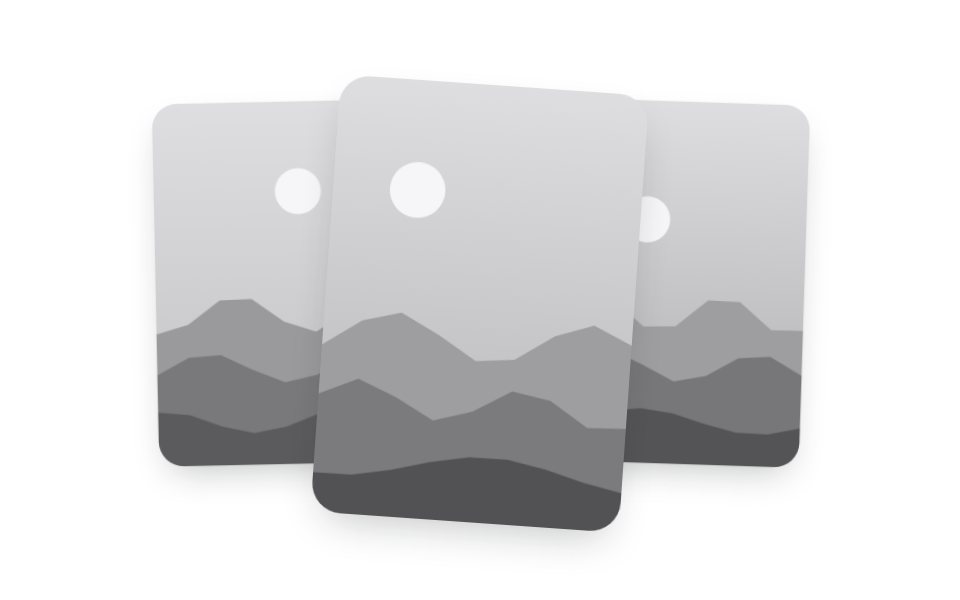
Komponen ini berjalan daripada binaan berpakej, jadi skripnya baca sahaja di sini. Sunting HTML dan CSS; sumber penuh ada dalam tab Kod.
Sunting setiap komponen secara langsung, laraskan dengan kawalan, muat turun sumber penuh dan salin prompt lanjutan.
$49 sekali bayarHarga sementara
Mod ujian: tiada bayaran sebenar dikenakan.
Percuma: pratonton, butang salin dan nota pelajaran.
Ruang yang lapang, bucu lembut dan satu warna aksen meletakkan kandungan di hadapan.
Senarai ciri, profil, jubin produk dan papan pemuka.
Laras padding, kedalaman bayang dan warna aksen.
Tambahkan komponen "Carousel" daripada Bencho (github.com/cabralorenzo/bencho) (MIT) ke aplikasi React + Tailwind CSS saya. Fail sumber: https://github.com/cabralorenzo/bencho/blob/c65992417427bb09e661674ffa800bef29adef49/blocks/carousel/Carousel.tsx. Ruang yang lapang, bucu lembut dan satu warna aksen meletakkan kandungan di hadapan. Gunakan untuk: Senarai ciri, profil, jubin produk dan papan pemuka. Tetapan untuk dilaras: Laras padding, kedalaman bayang dan warna aksen. Sokong tema cerah dan gelap serta hormati prefers-reduced-motion. Kekalkan notis lesen MIT.
Prompt lebih panjang dengan langkah pelarasan, kebolehcapaian dan integrasi.
 Yaya12085
 Lucas Bassetti
 Lucas Bassetti
 Lucas Bassetti
 Lucas Bassetti
 shadowmurphy
 DellBee
 Aryan-81